
More on Ligneous
Conjunctivitis
The most common
manifestation of PLGD-11

What is Ligneous Conjunctivitis?
Ligneous conjunctivitis (LC) is a rare, chronic, and recurrent form of pseudomembranous conjunctivitis characterized by the formation of fibrinous pseudomembranes on the palpebral conjunctivae.1 It is the most common clinical manifestation of PLGD-1 with 87% of patients experiencing ocular involvement.2
Ligneous conjunctivitis symptoms & signs
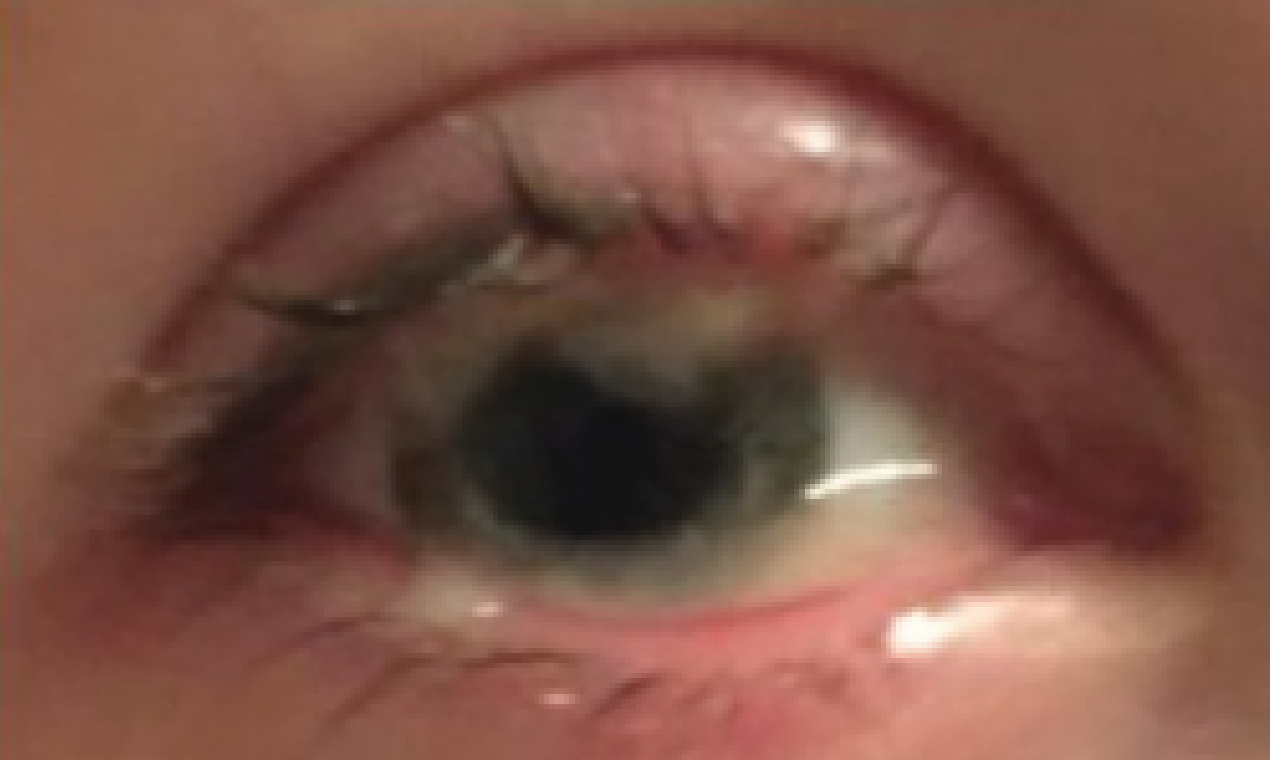
Symptoms may progress
to the formation of pseudomembranes on the palpebral conjunctivae, eventually leading to mucosal thickening with a wood-like (ligneous) consistency that replaces the normal eyelid mucosa.4
Signs of LC include
mucoid discharge, chronic tearing, and redness of the conjunctivae often resembling other ocular conditions like bacterial conjunctivitis, pyogenic granuloma, conjunctival papilloma, or inclusion cysts.1,3
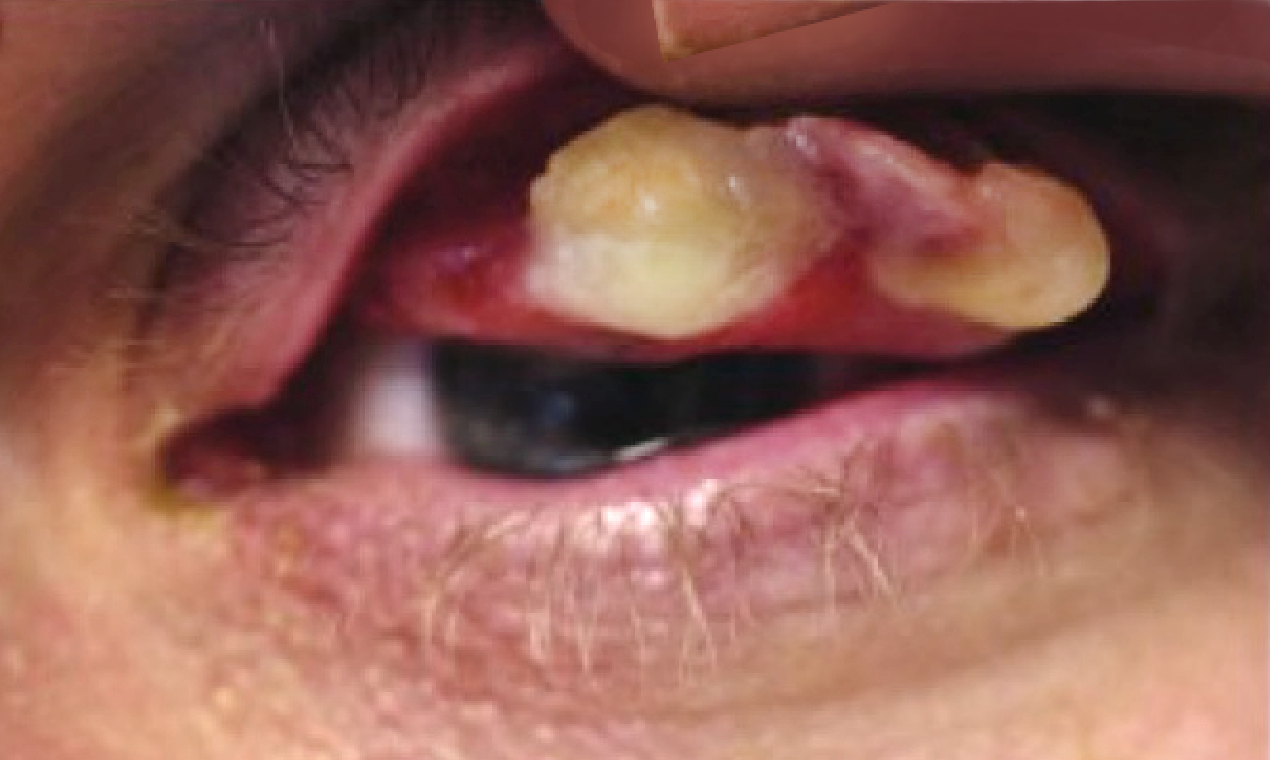
*Real patients with PLGD-1
Left untreated, ligneous conjunctivitis can cause7
- corneal damage
- vision impairment
- vision loss
Corneal involvement with the
potential for blindness occurs in
~33% of cases7

Ligneous conjunctivitis can mimic other common ocular conditions.3
Be sure to include LC in your differential diagnosis.3
Early diagnosis
leads to hope
Ryan & Riley

Individuals with ligneous conjunctivitis exhibited lesions in other parts of the body2†
†Patient pool primarily originates from Turkey and various Arabian countries (61%). When compared to previously published cases, this group of patients presented at a younger mean age (1 year and 10 months old) and shows a high rate of consanguinity (61%).
Due to the systemic nature of PLGD-1, LC often occurs alongside lesions on mucous membranes throughout the body. This includes the respiratory tract, gastrointestinal tract, mouth, female genital tract, middle ear, renal system, skin, and brain.4
Recognize other signs of PLGD-1 >Keep an eye out for signs of lesions in other locations
Symptoms of PLGD-1 often mimic common conditions such as recurrent pneumonia, ear infections, inflammatory bowel disease, and other routine diagnoses.8
References: 1. Schuster V, Seregard S. Ligneous conjunctivitis. Surv Ophthalmol. 2003;48(4):369-388. 2. Klammt J, Kobelt L, Aktas D, et al. Identification of three novel plasminogen (PLG) gene mutations in a series of 23 patients with low PLG activity. Thromb Haemost. 2011;105(3):454-460. 3. Shapiro AD, Nakar C. How I treat type 1 plasminogen deficiency. Blood. 2025;145(25):2954-2965. 4. Schuster V, Hügle B, Tefs K. Plasminogen deficiency. J Thromb Haemost. 2007;5(12):2315-2322. 5. Data on file. Kedrion Biopharma Inc. 6. Mehta R, Shapiro AD. Plasminogen deficiency. Haemophilia. 2008;14(6):1261-1268. 7. Shapiro AD, Menegatti M, Palla R, et al. An international registry of patients with plasminogen deficiency (HISTORY). Haematologica. 2020;105(3):554-561. 8. Congenital type 1 plasminogen deficiency. NORD. Updated February 6, 2025. Accessed December 4, 2025. https://rarediseases.org/rare-diseases/congenital-plasminogen-deficiency